
The act of dogs licking during pets sparks happiness and confuses the owners- slurpy kisses cross instinct, emotion, communication in 500 plus breeds of dogs across the globe. Basing on wolf heritage, this action indicates connection, requirements or routines; deciphers reduce misconceptions 80% and enforce human-canine bonds in 70 million US dogs. Endorphins work reciprocally: kisses enhance love circuits.
Instinctual Grooming from Puppyhood
Mother dogs lick pups clean, drive nursing- adult copy-cat groomers, go at faces, hands as places of vulnerability. Mimicking is a motherly gesture; licking is a I will groom you kind of response, which sends oxytocin to the body as human hugging does. And labs golden retrivers lead kissers, And timid rescues lisk first.
Affection and Pack Bonding
Licks mean I love you in dog language– endorphins are released into brains and both sides get relaxed after a game. Petting strokes sweet itch areas (rump, chest); thankful tongue kisses wolf muzzle-licks, a woo of subordination. More frequent with trusted owners- 60% of dogs lick owners daily as opposed to strangers.
Attention-Seeking Reinforcement
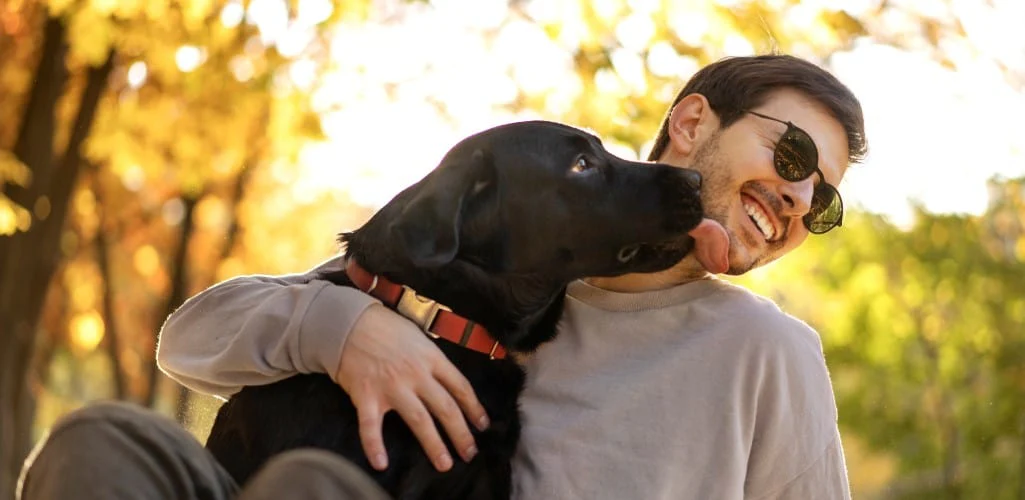
Smiles, coos, are likewise pets as the responses are rewarded immediately with paw lifts and licks. Afternoons of boredom watch the licks rushing up to play; disregard the behavior 70 percent of the time lowest with extinction. Food post-dinner? Licks request through puppy appeasement cues that are responsible for regurgitation in the past.
Taste and Exploration Drive
After the gym, salty skin, traces of lotions, dinner, all these things make noses magnetic, licks sample the world like vacuum cleaners. Petting reveals the scent of hands (other pets, parks); critical licks list you have been busy. Bitter meds? Simple non-verbal displeasure is indicated by avoidance licks.
Stress Relief and Self-Soothing
Fear initiates the effect of calming down licks- endorphin resembles the pacifier and this brings a 40% cortisol drop in thunderstorms. At first Petting is relaxed, but overstimulated turns to stress licks on arms, lips. Compulsive licking by rescue dogs during the first year; CBD cuts down on episodes by half with puzzle toys.
Communication Through Lick Types
Flicking of tongue signifies all good; the face baths need to be interacted with. Licking the lips are an indication of slight stress (back off a little); fast hand licks request walks. Contextual hints: tail wags enhance happiness, ear-back signals danger, downsize pets.
Health Signals Behind Excess Licking
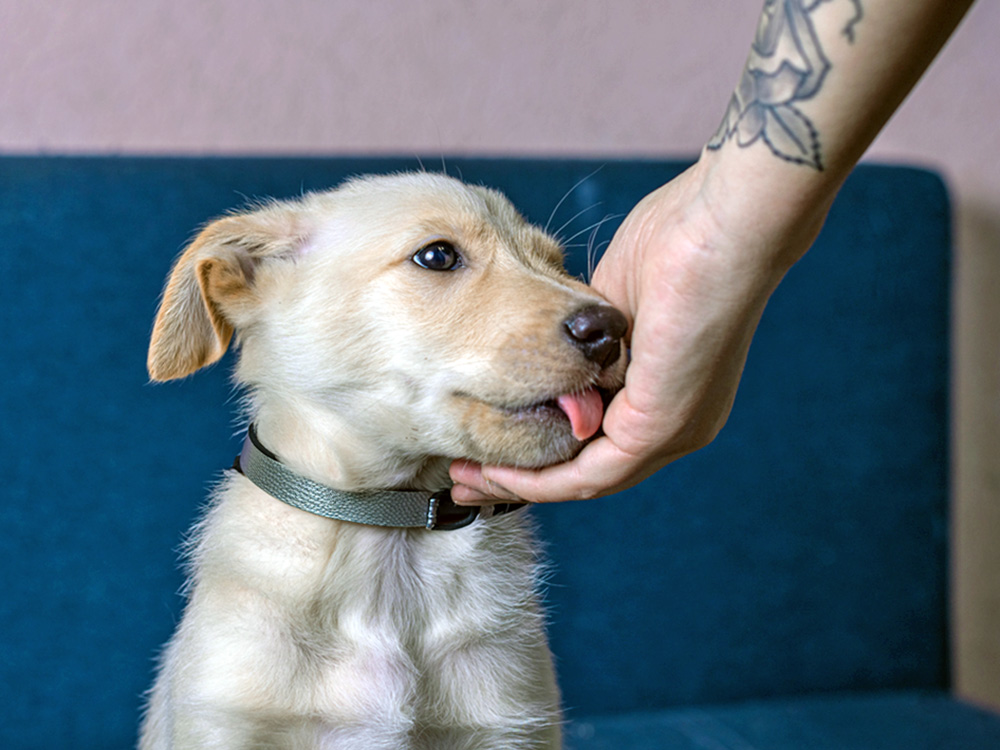
Face licks are caused by nausea; hands are the target of dental pain. Vet checks regulation GI problems- pancreatitis increases lick rates twice. Itching of skin starts on paws and progresses to grooming needs among the owners. Changes are followed by baseline logs; 20% spikes should be screened with blood.
Training to Manage Lick Levels
Redirect to toys when pets- Kong stuffing distracts 80 percent. Politely, enough cues can be associated with turns away. Sit-stares are best rewarded, high-drive herders are the quickest to do so. Always punish–lick cycles are stressed by fear.
Breed and Personality Variations
Retrievers dribble and terriers lick because they want attention. Old folks tongue Hungerily; puppies fussily. Status of spay not important- hormones dip, bonds survive.
Licks are a philosophy of mixing biology with learned love, embrace neither too much nor too little, learn to train. Misinterpretation is a waste to understanding; the interpretation of the word opens the door to more devotion than speech. You have been picked by your dog–do likewise.